
making the connection between time and place

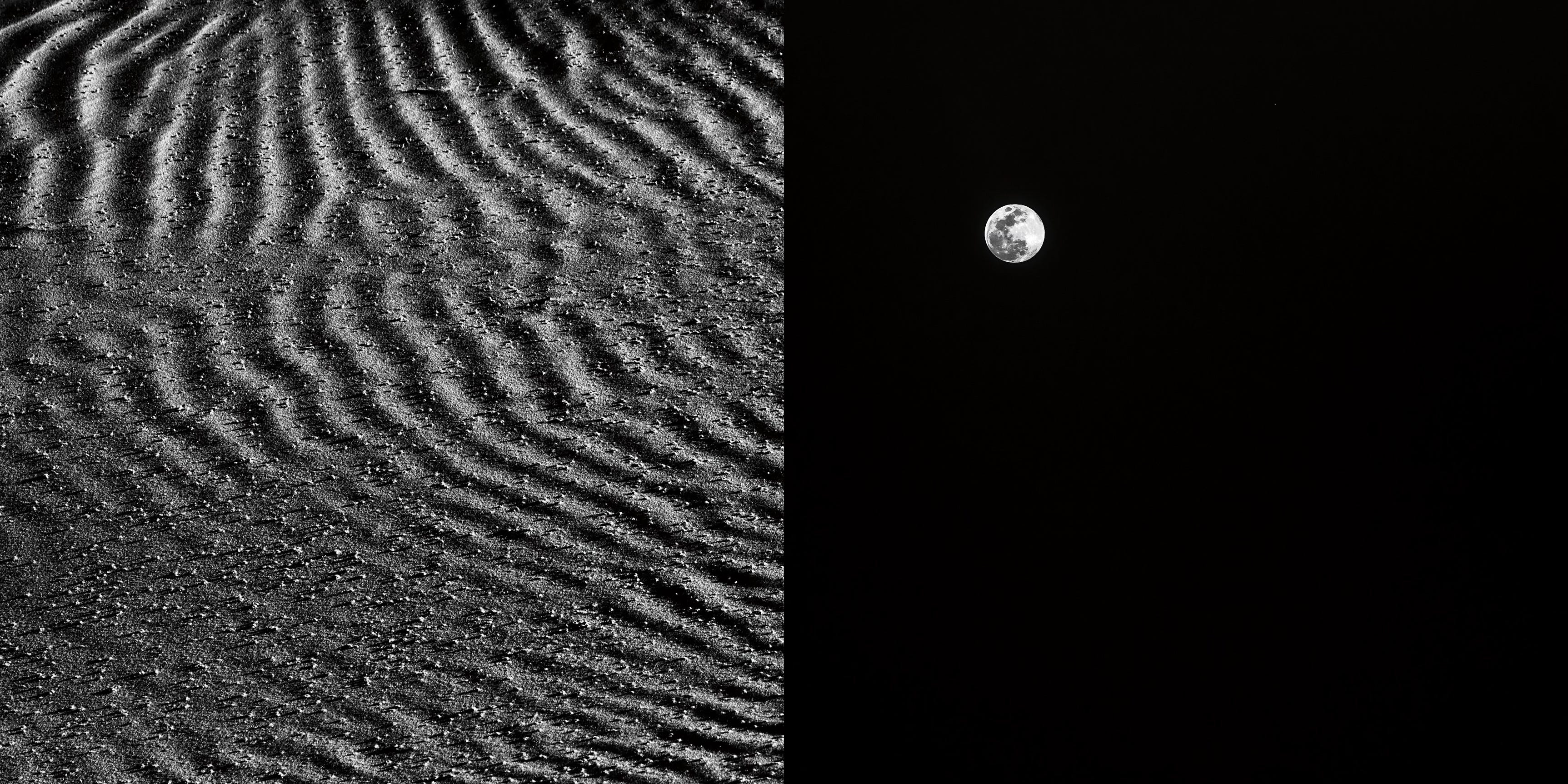
Place is something I think about a lot, particularly as it relates to the landscape. In doing so, I most often consider elements such as the terrain, habitats, what grows there, the light and colors of place, vernacular architecture, traditional regional crafts and the history of place. Lately, however, I’ve been contemplating the connection between time and place, and would like to share an excerpt from my new photo book, Breathing with the Moon.
Time is a chronological framework for our days, months and years, as well as for the deeper history of a place. It is continuous, linear and measurable. Rhythm is how we experience the flow of time—the cycles and patterns within a set time frame. The most fundamental rhythm is circadian in nature, a 24-hour cycle based on the Earth’s rotation and cycle of darkness and light….
Yet this 24-hour cycle varies from one place to another and helps shape our experience of time in each location. Daytime in one place is nighttime in another. Summer in the southern hemisphere is winter in the northern. Even within defined time zones, the sun rises and sets at different clock times based on one’s longitude. And the length of daylight depends upon one’s latitude and the Earth’s axial tilt.
There are other types of natural rhythms, as well—the shifting constellations across the sky; the changing seasons; mating, migration and hibernation cycles; and even longer-term, recurring events such as the summer and winter solstice or the emergence of 17-year cicadas. In coastal regions, tidal rhythms can be as important as circadian and seasonal cycles.
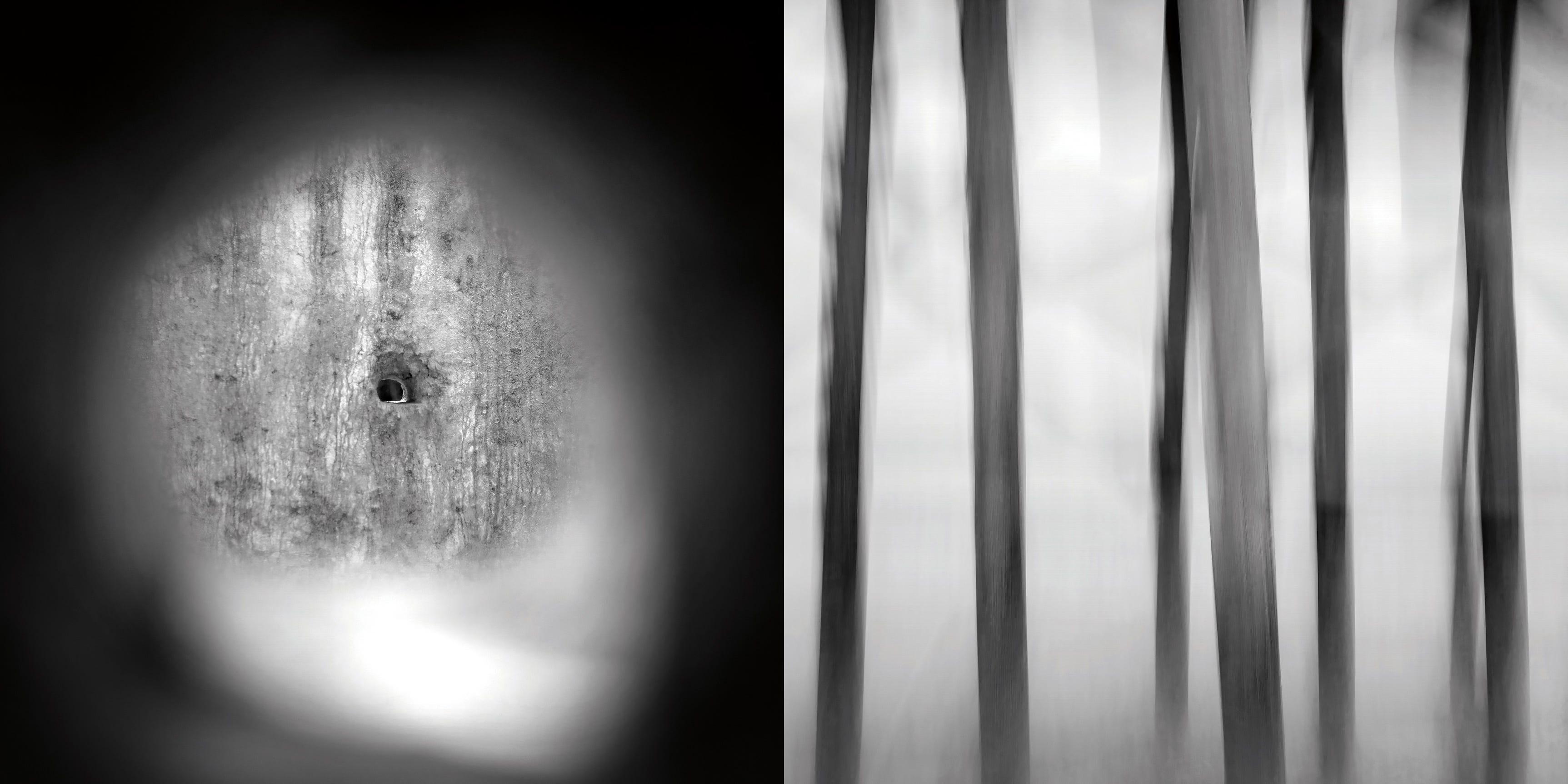
Time cannot be experienced without change of some kind occurring: shifts in light, temperature, growth, decay or movement—whether observable or more historical in nature. These are the subjects I contemplated when photographing, writing and designing Breathing with the Moon, as change along the coastline, with the twice-daily rise and fall of the tides, encourages both types of change. It is the kind of place where you can sit quietly and become aware not only of birds and animals moving about, weather rolling in and human activity within sight or earshot, but also of the changing water levels, moisture levels in exposed soil and shifting sand patterns along the beach.
If you were to sit outside for a few hours where you live, what might you observe in the way of natural rhythms, changes and the passage of time?
ARTIST TALK AND BOOK SIGNING
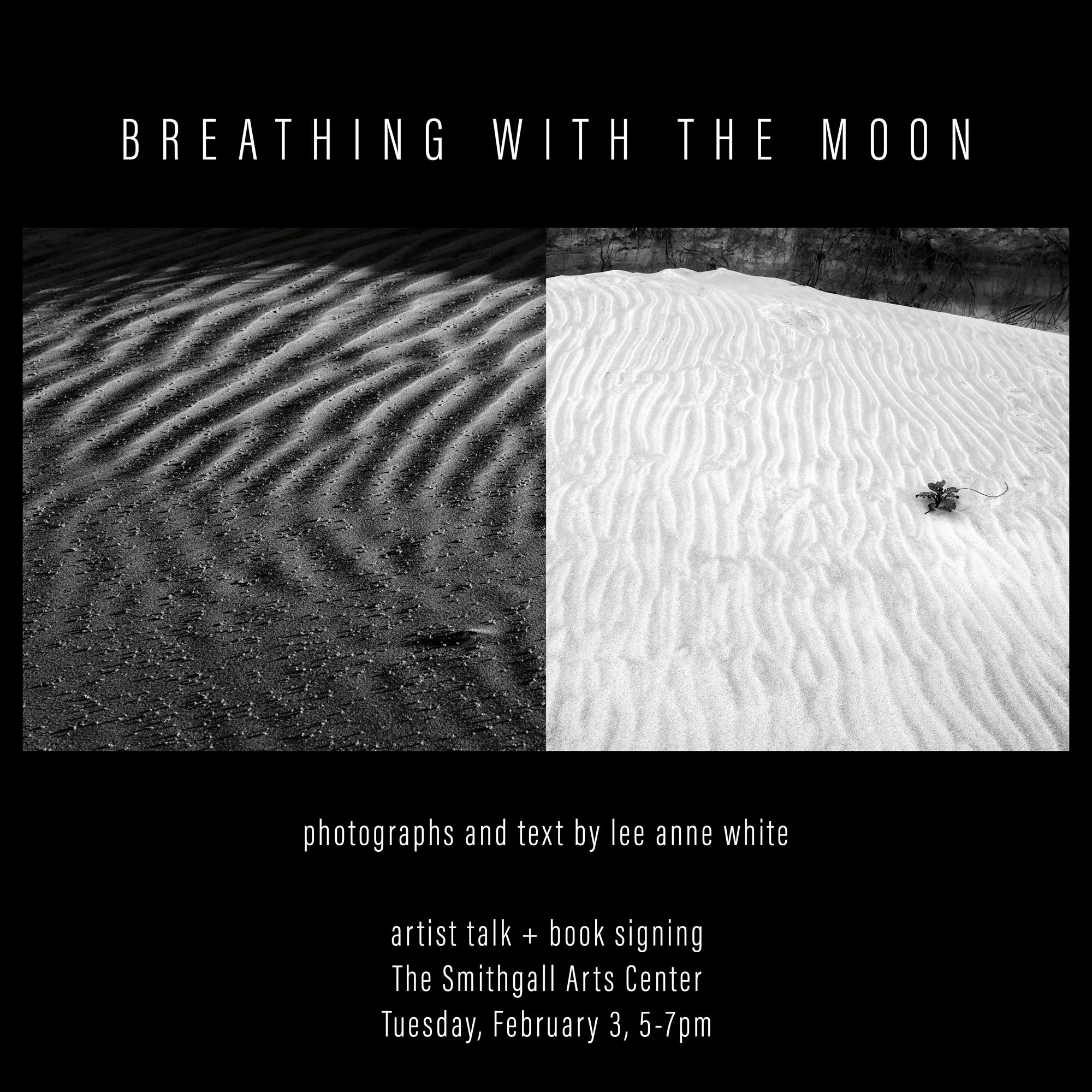
The Smithgall Arts Center is located at 331 Spring Street SW, Gainesville, GA. The talk will begin around 5:15 or 5:30. My exhibition, Deeply Rooted: An Intimate Portrait of Place remains on view in the gallery through February 20 and will be open throughout the Tuesday event. We are tentatively planning to record the talk so that it might be shared later online for those not in the area who may be interested.
NEW PHOTO BOOK NOW AVAILABLE
Breathing with the Moon was photographed among the southernmost of the Sea Islands, along Florida’s northernmost Atlantic Coast. What began as an exploration of place evolved into a meditation on time—history, observable change and the natural rhythms that shape our experience of time. Key among those rhythms is the tide, whose ebb and flow is most affected by the pull of the moon and which not only influences the life of plants, animals and humans, but continuously reshapes the islands themselves.
White, Lee Anne. Breathing with the Moon. Whitespace Press, February 1, 2026. 88 pages with 52 black-and-white photographs and essay. Softcover. $30. ISBN: 978-0-9887928-6-9.
ADVANCED NATURE STUDIO ONLINE COURSE
Advanced Nature Studio, which is the follow-up course to Photographing Plants in the Studio, launches February 16. It offers a six-week, deep dive into still life composition, visual style and moving beyond basic image capture. You have the option of working simply (with single objects) or creating more complex still life arrangements. And you may choose to work with natural light, studio light or some combination of the two. In other words, you have a great deal of flexibility in terms of how you approach each assignment. We’ll also look at the still life photographs of many other photographers, so expect to be inspired. Here are some of the topics we’ll cover:
Exploring visual style
Designing an image
Creating more compelling images with form, texture and gesture
Harnessing the emotional power of color
Creating mood and drama with light
Moving beyond image capture to interpret more creatively
I have to say, I am feeling very drawn to this work. The first diptych is so good! Congrats again on the book and I hope the artist talk goes well.
That sounds like a wonderful project and I love the title of the book. COngratulations on your publication, Lee Anne! Ilove that first diptych you included here.